Welcome to the Comparative Genomics & Metagenomics Lab

We study microbial diversity, microbiome ecology, and evolution using comparative genomics, metagenomics, and phylogenomics. Our work spans the rare biosphere, plant microbiome, functional genomics, and the development of open bioinformatics tools.

Learn More

Highlights

MBE

TreeProfiler: large-scale metadata profiling along gene and species trees.

Mol Biol Evol Feb. 2, 2026

TreeProfiler is a command-line tool that annotates any phylogenetic tree with metadata (ecology, taxonomy, phenotypes) and lets researchers visualise and query patterns across thousands of tips at once.

Research Lines

Microbial Dark Matter & the Rare Biosphere

What uncultivated, low-abundance microbes do and how they evolve.

Read moreShow less

We develop metagenomic and phylogenetic approaches to probe the vast pool of uncultivated, low-abundance organisms — the rare biosphere — and their unknown genes. We ask what these hidden taxa contribute, how their communities shift under environmental change, and why so much microbial diversity remains functionally dark.
Metagenomics of Environmental & Host-Associated Microbiomes

High-resolution metagenomics to monitor biodiversity across ecosystems and hosts.

Read moreShow less

We build targeted and shotgun metagenomic technologies to catalogue microbial biodiversity and track community dynamics — from soils and crops to the human microbiome. Our work links taxonomic and functional profiling to real environmental and biomedical questions, from agricultural sustainability to microbiome-driven health.

Comparative Genomics, Orthology & Functional Annotation

Assigning function and evolutionary history to genes across the tree of life.

Read moreShow less

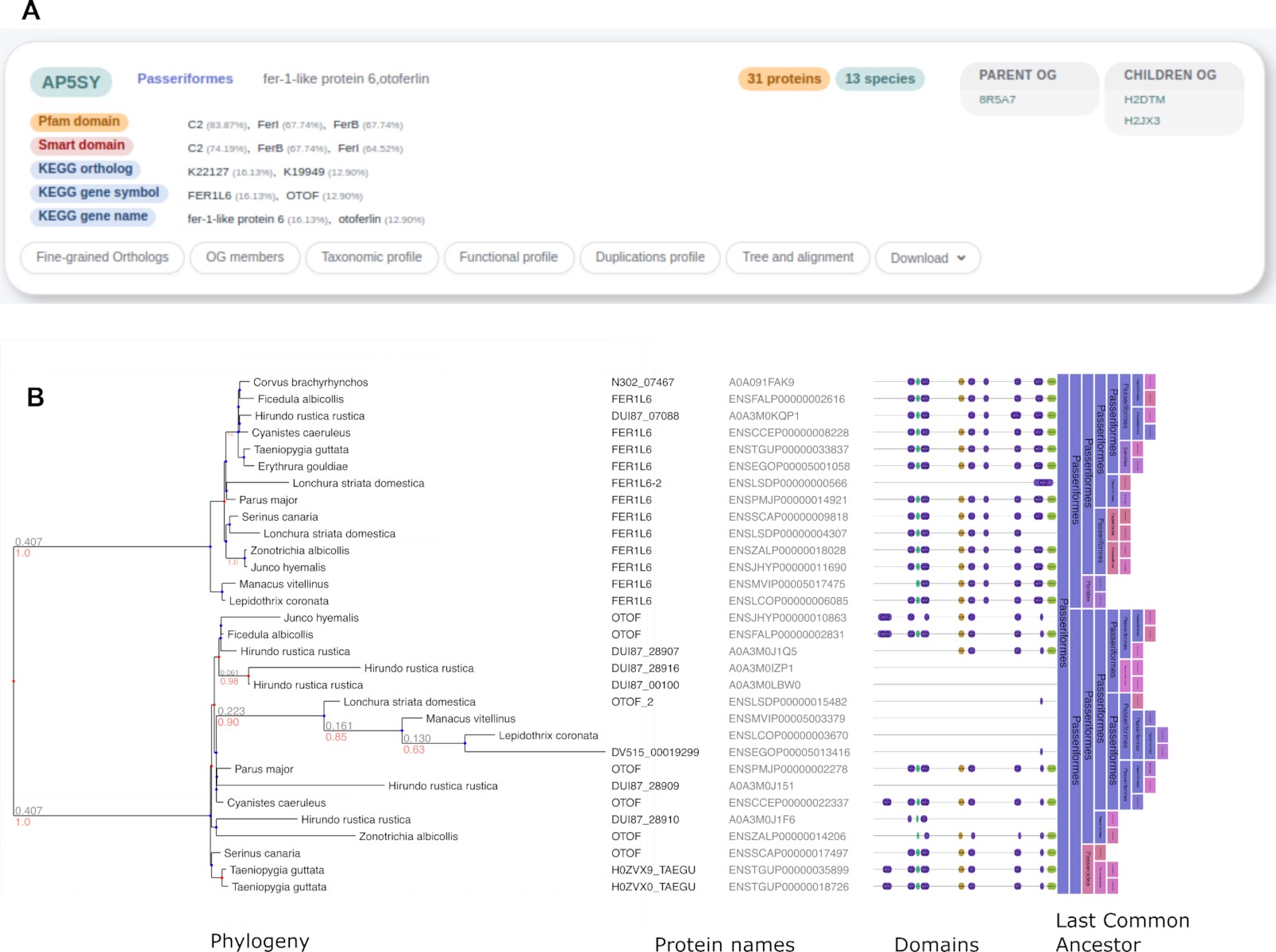
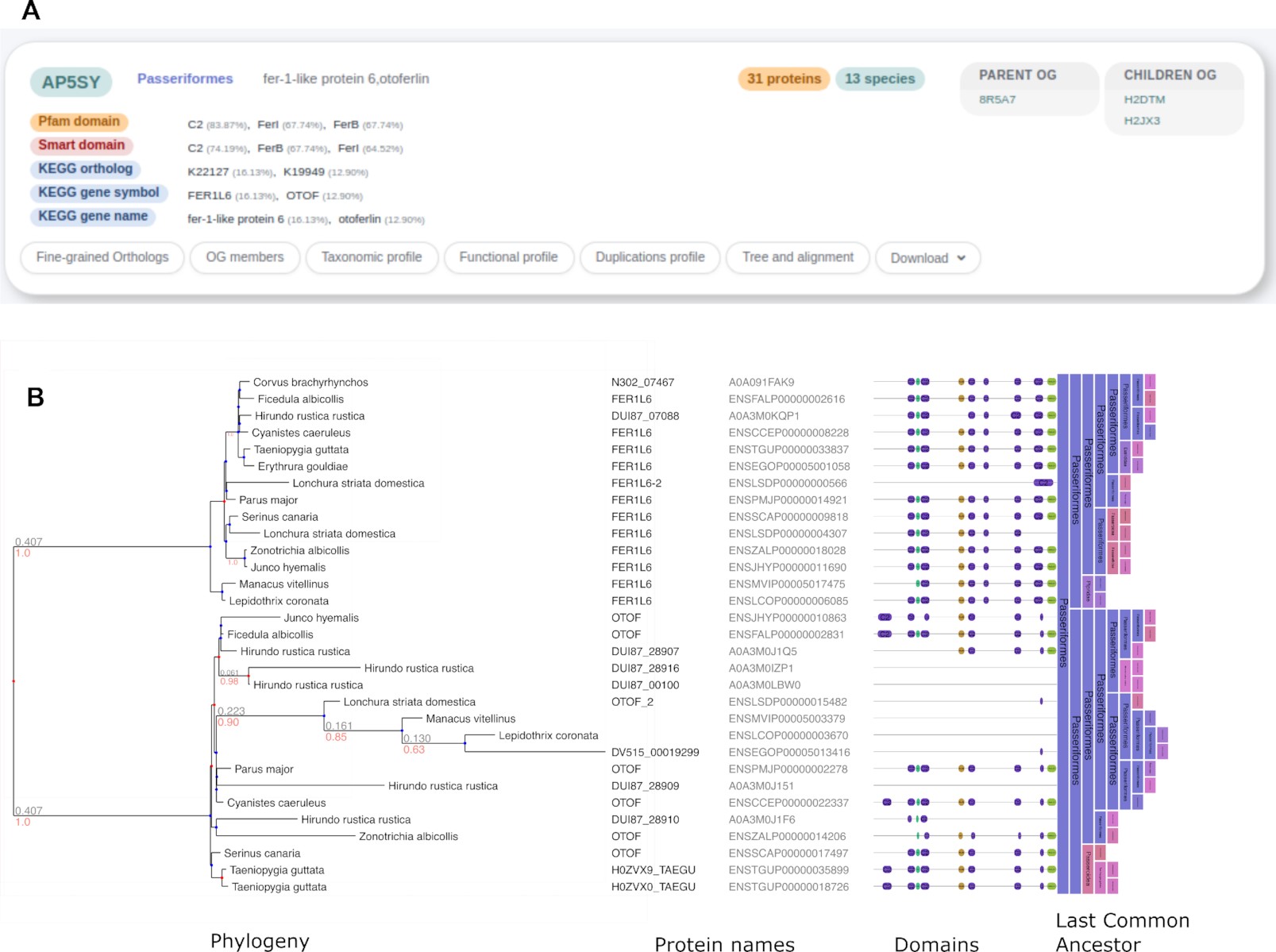
We infer gene function and evolution at scale through orthology, pangenomics and comparative genomics. Flagship resources such as eggNOG deliver phylogeny-based orthology and functional annotation across tens of thousands of organisms, underpinning how the community annotates newly sequenced genomes and metagenomes.

Phylogenomics Methods & Bioinformatics Tools

Open software to analyse and visualise data at the scale of the tree of life.

Read moreShow less

We create widely used open-source tools for large-scale phylogenomics and comparative analysis — including the ETE Toolkit, TreeProfiler, PhyloCloud and GeCoViz — and contribute to bioinformatics infrastructure (ELIXIR). Our focus is making massive genomic and tree data tractable, reproducible and easy to explore.

Bioprospecting Microbiomes for Bioactives

Mining microbial diversity for enzymes, antimicrobials and industrial ingredients.

Read moreShow less

We turn microbial genomic diversity into useful molecules, combining metagenomics, machine learning and computational modelling to discover novel enzymes, antimicrobial peptides and natural ingredients. Projects like ORIGIN translate microbial dark matter into sustainable industrial and biomedical applications.

Plant Microbiome & Plant–Microbe Interactions

How crop-associated microbes shape plant health under stress.

Read moreShow less

We study the functional and community dynamics of plant-associated microbiota, focusing on low-abundance organisms and how plant–microbe interactions respond to heat, nutrient scarcity and changing crop conditions. The goal is to harness the microbiome for more resilient, sustainable agriculture.

Latest Scientific Papers

deluxpore: a Nextflow pipeline for demultiplexing Illumina dual-indexed Nanopore libraries

bioRxiv March 30, 2026

demultiplexing and basecalling pipeline for Nanopore sequencing runs with dual-indexed Illumina-style barcodes, packaged as a reproducible Nextflow workflow.

doi:10.64898/2026.03.27.714410 bioRxiv (2026).

TreeProfiler: large-scale metadata profiling along gene and species trees.

MBE Feb. 2, 2026

TreeProfiler is a command-line tool that annotates any phylogenetic tree with metadata (ecology, taxonomy, phenotypes) and lets researchers visualise and query patterns across thousands of tips at once.

43(2):msag028, 2026

eggNOG v7: phylogeny-based orthology predictions and functional annotations.

NAR Jan. 6, 2026

eggNOG v7 expands the gold-standard database of orthologous genes to cover 12,000+ species, adding phylogeny-aware functional predictions that help scientists interpret what newly sequenced genes do.

54(D1):D402-D408, 2026

Root growth promotion by Penicillium melinii: mechanistic insights and agricultural applications.

bioRxiv Dec. 9, 2025

The soil fungus Penicillium melinii boosts root growth in crops by producing specific metabolites; the study maps the molecular mechanisms behind this plant-growth promotion.

2025.12.05.692050, 2025

The Biodiversity Cell Atlas: mapping the tree of life at cellular resolution.

Nature Sept. 24, 2025

A global atlas mapping gene expression across the full tree of life at the single-cell level, revealing universal and lineage-specific cell-type programmes from microbes to animals.

645(8082):877-885, 2025

Unveiling the hidden biodiversity of microbial chemoreceptor genes in the rare biosphere

bioRxiv June 24, 2025

A deep dive into environmental DNA databases reveals that chemoreceptor genes—bacterial sensors for chemical signals—are far more diverse and widespread in rare microbial communities than previously thought.

doi:10.1101/2025.06.24.661292 bioRxiv (2025).

Our Tools & Resources

eggNOG-mapper
eggNOG-mapper
Fast functional annotation through orthology assignment
eggNOG Database
eggNOG Database
Orthology and Functional Annotation database
ETE Toolkit
ETE Toolkit
Python framework for tree analysis and visualization
GeCoViz
GeCoViz
Genomic context visualization of prokaryotic genes
PhyloCloud
PhyloCloud
Online platform for phylogenomic data analysis

Where to Find Us

We are based at the Centre for Plant Genomics and Biotechnology (CBGP), a joint (UPM-INIA/CSIC) research institute in Madrid (Spain).

CBGP logo